
Petrol prices remain one of the most closely watched economic indicators in Pakistan. Every increase affects millions of people, from daily commuters and transport companies to businesses and industries. Whenever geopolitical tensions rise in the Middle East, Pakistanis naturally begin asking the same question:
Will petrol prices increase again?
With reports of renewed tensions between Iran and the United States, concerns about another spike in global crude oil prices have resurfaced. While no one can predict future fuel prices with certainty, understanding how international events influence Pakistan’s petroleum market can help consumers prepare for possible changes.
In this article, we’ll explain how Iran-USA tensions affect global oil markets, why Pakistan is vulnerable to international price fluctuations, and what the expected petrol price trend could be if the situation continues to escalate.
Current Petrol Pricing System in Pakistan
Pakistan imports a significant portion of its petroleum products. Because of this dependence on imports, local fuel prices are heavily influenced by international crude oil prices.
The government generally reviews fuel and diesel prices every two weeks after considering factors such as:
- International crude oil prices
- Exchange rate between the Pakistani Rupee and US Dollar
- Freight and shipping costs
- Inland transportation charges
- Petroleum Development Levy (PDL)
- Sales taxes and other government duties
Even if global oil prices remain stable, changes in the dollar exchange rate or government taxes can still increase fuel prices domestically.
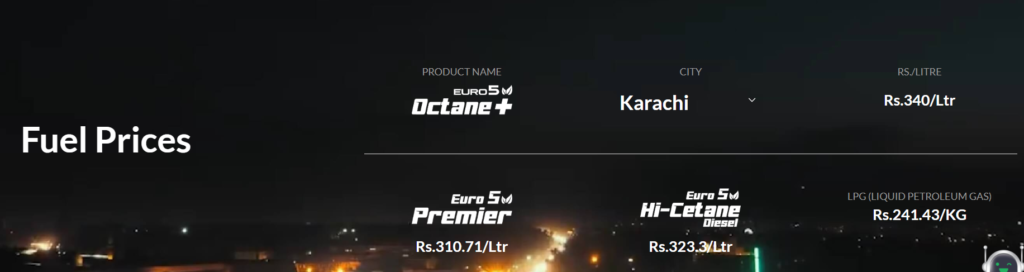
Why Iran-USA Tensions Matter
Iran is one of the world’s largest oil-producing countries and occupies a strategically important location near the Strait of Hormuz, through which a significant portion of the world’s oil supply passes every day.
Whenever tensions between Iran and the United States rise, global investors become concerned about possible disruptions to oil production or shipping routes. click here to check petrol prices.
These concerns can lead to:
- Rising international crude oil prices
- Increased shipping insurance costs
- Higher transportation expenses
- Greater market uncertainty
Even if oil supplies are not immediately disrupted, financial markets often react quickly, causing oil prices to rise due to expectations of future shortages.
How Global Oil Prices Affect Pakistan
Pakistan does not produce enough crude oil to meet domestic demand. As a result, it imports crude oil and refined petroleum products from international markets.
When global crude oil prices increase:
- Import bills become more expensive.
- Oil marketing companies face higher procurement costs.
- Foreign exchange reserves come under pressure.
- The government may revise fuel prices upward.
If the Pakistani Rupee weakens against the US Dollar at the same time, the impact becomes even greater because imports become more expensive in local currency.
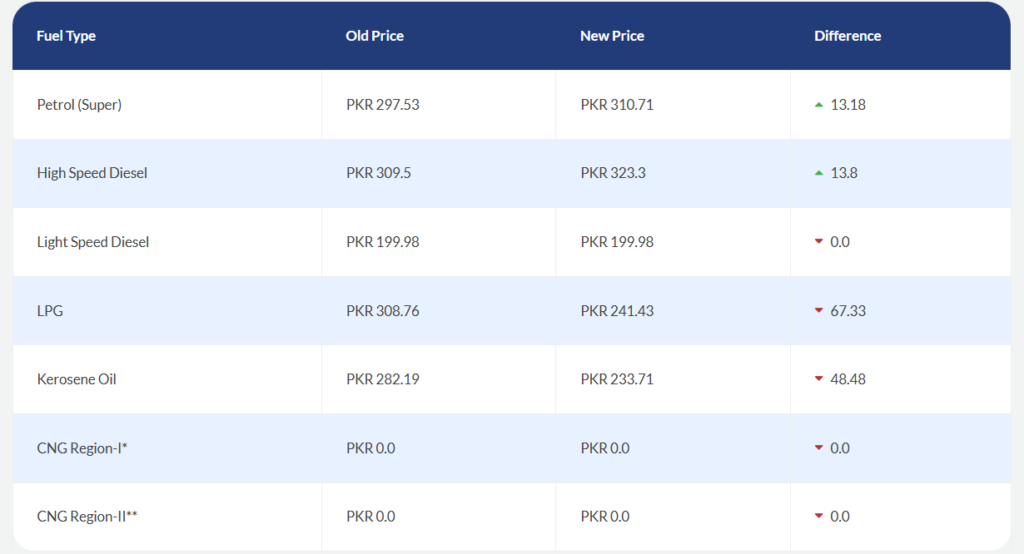
Could Petrol Prices Increase in Pakistan?
Based on current market conditions, there are several possible scenarios.
Scenario 1: Tensions Ease Quickly
If diplomatic negotiations reduce tensions and oil production continues without interruption, international crude prices may stabilize.
In this case:
- Petrol prices in Pakistan may remain largely unchanged.
- Minor adjustments may occur due to exchange rate movements.
- Inflationary pressure would remain limited.
Scenario 2: Moderate Increase in Crude Oil Prices
If geopolitical tensions continue but no major supply disruption occurs, crude oil prices could rise moderately.
Possible impact on Pakistan:
- Petrol prices may increase during upcoming price reviews.
- Diesel prices may also rise.
- Transportation costs could increase.
- Food prices may gradually rise due to higher logistics expenses.
Scenario 3: Major Escalation
If the conflict significantly disrupts oil exports or shipping routes in the Gulf region, international oil prices could experience a sharp increase.
Possible consequences include:
- Noticeable increases in petrol and diesel prices.
- Higher electricity generation costs.
- Increased inflation.
- Greater pressure on Pakistan’s import bill.
- Additional pressure on the Pakistani Rupee.
This represents the most severe scenario but remains uncertain and depends on future developments.
Impact on Pakistani Consumers
Any increase in petrol prices affects nearly every household.
Higher fuel prices generally lead to:
Increased Transportation Costs
Public transport fares often increase after fuel price adjustments. Ride-hailing services and intercity buses may also revise their fares.
Rising Food Prices
Agricultural products must be transported across the country.
When diesel prices rise, transportation becomes more expensive, increasing the cost of vegetables, fruits, wheat, sugar, and other essential goods.
Higher Business Expenses
Manufacturers and retailers spend more on transportation and logistics.
These increased costs are often passed on to consumers through higher product prices.
Inflation
Fuel is an essential input for almost every sector of the economy.
As fuel becomes more expensive, inflation tends to rise, reducing consumers’ purchasing power.
Can the Government Prevent Price Increases?
The government has several options to reduce the impact of rising global oil prices.
These include:
Adjusting Petroleum Development Levy (PDL)
Reducing taxes can temporarily offset higher international oil prices.
However, this also reduces government revenue.
Exchange Rate Stability
A stable Pakistani Rupee helps reduce import costs.
Strengthening foreign exchange reserves can provide additional support.
Strategic Fuel Management
Maintaining adequate petroleum reserves allows authorities to better manage temporary disruptions in global supply.
Subsidies
Although fuel subsidies may temporarily reduce consumer prices, they can significantly increase the government’s fiscal burden.
For this reason, subsidies are generally used only in exceptional circumstances.
What Should Consumers Do?
Consumers cannot control global oil prices, but they can reduce the financial impact by adopting fuel-efficient habits.
Some practical tips include:
- Plan trips efficiently.
- Use public transportation whenever possible.
- Keep vehicle tires properly inflated.
- Perform regular vehicle maintenance.
- Avoid unnecessary travel.
- Consider carpooling for daily commutes.
Even small improvements in fuel efficiency can result in meaningful savings over time.
Expert Outlook
Energy analysts generally agree that geopolitical uncertainty often creates volatility in crude oil markets.
However, the actual impact on Pakistan depends on several factors working together, including:
- International crude oil prices
- Government taxation policies
- Exchange rate movements
- Shipping and freight costs
- Domestic petroleum pricing decisions
Therefore, while renewed Iran-USA tensions may increase the risk of higher petrol prices, future price adjustments will ultimately depend on how these factors evolve.
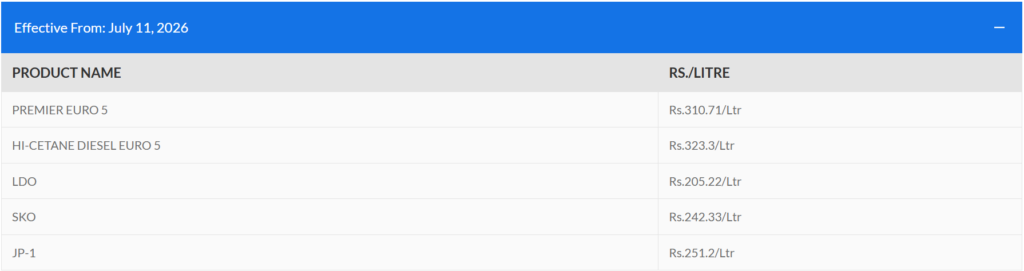
Frequently Asked Questions
Why do Iran-USA tensions affect petrol prices?
Iran is an important oil producer located near major global shipping routes. Rising tensions can create concerns about oil supply disruptions, leading to higher international crude oil prices.
Does Pakistan produce its own oil?
Pakistan produces some crude oil domestically but imports a large share of its petroleum requirements, making local prices sensitive to international markets.
How often are petrol prices revised in Pakistan?
Fuel prices are generally reviewed every two weeks, although pricing policies may change depending on government decisions.
Will petrol prices definitely increase?
Not necessarily.
Future petrol prices depend on international crude oil prices, exchange rates, government taxes, and broader economic conditions. Rising geopolitical tensions increase uncertainty but do not guarantee a price increase.
Conclusion
Renewed tensions between Iran and the United States have once again drawn attention to the possibility of rising global oil prices. Because Pakistan relies heavily on imported petroleum products, developments in the Middle East can influence domestic fuel prices.
While it is too early to predict the exact direction of the next petrol price adjustment, consumers should remain aware of international market trends and official government announcements.
The coming weeks will be important in determining whether geopolitical tensions remain limited or begin affecting global oil supplies. If crude oil prices continue rising and the Pakistani Rupee remains under pressure, petrol prices in Pakistan could face upward revisions. However, if diplomatic efforts reduce tensions and energy markets stabilize, price increases may remain limited.
For now, staying informed through official government notifications and trusted financial news sources remains the best approach.
SEO Keywords
- Petrol Prices in Pakistan
- Expected Petrol Prices in Pakistan
- Pakistan Fuel Price Update
- Iran USA Tensions
- Crude Oil Prices
- Pakistan Petrol News
- Fuel Price Prediction Pakistan
- Oil Prices Today
- Petrol Rate Pakistan
- Pakistan Economy and Oil Prices


